SEO for Scottish Renewable Energy Companies
Why Search Visibility Matters for Scotland's Energy Sector
Scotland generates more than 100% of its domestic electricity needs from renewables in a growing number of months, and the companies behind that output, from offshore wind developers in Aberdeen to community hydro schemes in Argyll, need clients, investors, and planning partners to find them online. A well-structured SEO strategy is one of the most cost-effective ways to make that happen. Paid advertising budgets run dry; organic search rankings compound over time.
The renewable energy procurement cycle is long, and buyers do extensive research before making contact. A Scottish offshore wind subcontractor that ranks on page one for "offshore wind O&M Scotland" captures that research phase. Companies that appear only on page three, or not at all, are simply not in the conversation.

Understanding the Search Landscape for Scottish Renewables
Search demand in this sector splits across three distinct audiences: commercial buyers seeking contractors or technology suppliers, institutional investors evaluating project pipelines, and local communities researching planning applications. Each audience types different queries. Investors might search "Scottish offshore wind investment opportunities"; a local authority procurement officer might search "solar PPA provider Scotland".
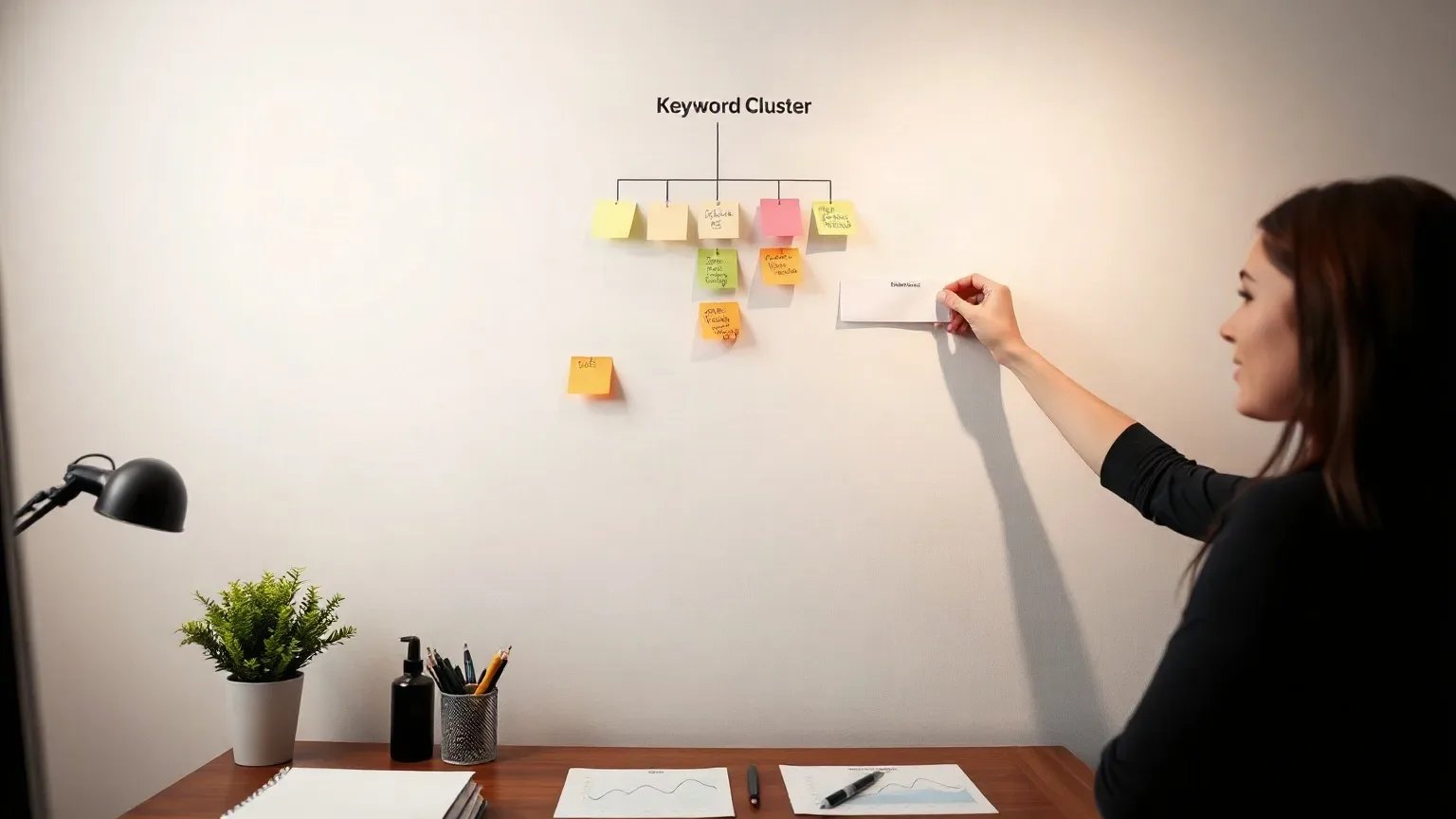
Mapping those audience segments to keyword clusters is the foundation of any serious SEO programme. Tools such as Ahrefs or Google Search Console reveal actual search volumes and the specific language each audience uses. A company in Inverness providing battery storage solutions will find very different keyword opportunities than one in Edinburgh advising on green finance.
Technical Search Terms Versus Commercial Intent Terms
Technical terms like "lithium iron phosphate BESS" attract engineers already deep in a project; commercial terms like "battery storage Scotland" attract decision-makers at an earlier stage. Both matter, but they serve different content types. Technical terms suit white papers and specification guides; commercial terms suit service pages and case studies.
Mapping each keyword to the correct page type prevents cannibalisation, where two pages compete against each other for the same query and both rank poorly as a result.

On-Page SEO for Renewable Energy Service Pages
Each core service, offshore wind installation, onshore wind consultancy, solar design, biomass, should have a dedicated page rather than being listed as bullet points on a single services page. Google needs distinct, substantive content to understand what a company offers and where it operates. A page titled "Offshore Wind Cable Installation, Moray Firth" carries far more geographic and topical signal than a generic services page.
Page titles should be descriptive and under 60 characters where possible. The H1 heading, the first paragraph, and the meta description should all reference the service and location naturally. Internal links between related service pages and case study pages distribute authority and help crawlers navigate the site structure.
Location Pages and Scottish Regional Specificity
Scotland's renewable energy projects cluster in recognisable geographic zones: Shetland for wind, the Moray Firth for offshore, Dumfries and Galloway for onshore wind and solar, and Highland for hydro. A company operating across multiple zones benefits from dedicated location pages for each, provided those pages contain genuinely distinct content rather than thin, templated text.
A location page for "renewable energy consultancy, Dumfries and Galloway" should reference actual local planning authorities, relevant local development plans, and any nearby grid connection points, rather than simply swapping a place name into a boilerplate template. Search engines detect thin content; so do the potential clients reading it.

Content Strategy for Attracting Investors and Partners
Investors searching for Scottish renewable energy projects need reassurance about a company's track record, financial health, and project pipeline. Long-form content, such as project case studies with measurable outputs in megawatts, construction timelines, and grid connection milestones, serves this audience well. A 1,200-word case study on a completed 50 MW onshore wind project in Caithness, with planning history and generation data, builds authority in ways that a company overview page never can.
Regulatory and policy content also performs strongly. Scottish Government targets under the Energy Strategy and Just Transition Plan create search demand around topics like planning reform, community benefit funds, and grid capacity. Companies that publish clear, accurate commentary on these topics attract organic traffic from a well-qualified professional audience.
Thought Leadership and Technical Guides
Guides aimed at landowners, such as "What to expect from a wind lease in Scotland" or "Community ownership models for hydro projects", attract search traffic from an audience that frequently becomes a commercial partner. These guides also generate backlinks from planning consultancies, community energy organisations, and local authority websites, which strengthens domain authority across the whole site.
Publishing a guide does not require committing to a weekly blog. A quarterly cadence of substantive, well-researched content outperforms a high volume of thin posts.
Link Building in a Specialist Scottish Context
Backlinks from authoritative, relevant domains remain one of the strongest ranking signals in competitive search. For Scottish renewable energy companies, the most valuable links come from organisations like Scottish Renewables, Local Energy Scotland, Skills Development Scotland's green economy resources, and the Scottish Government's own web properties. These are not easily acquired, but they are achievable through genuine engagement: contributing data to industry reports, sponsoring research, or providing expert comment to journalists.
Local and regional press, such as Energy Voice, The Press and Journal, and Business Green's Scottish coverage, publish regularly on energy sector developments. Being quoted or profiled in those publications generates both referral traffic and link equity. A company that positions its technical team as accessible commentators on Scottish energy policy is far more likely to be cited than one that publishes only product announcements.
Directory Listings and Industry Platforms
Scottish Renewables maintains a member directory, and Energy UK and RenewableUK both have supplier and member listings. These are baseline citations that signal legitimacy to search engines and generate modest but consistent referral traffic. Listing accuracy matters: company name, address, and website URL must be identical across all directories, or the inconsistency dilutes local SEO signals.

Measuring SEO Performance in a Long Sales Cycle
The B2B renewable energy sales cycle can stretch from six months to several years, which makes last-click attribution misleading. A potential investor who finds a company through an organic search for "Scottish offshore wind developer" may not convert for 18 months. Tracking organic traffic, keyword rankings, and engagement metrics such as time on page and document downloads gives a clearer picture of pipeline health than conversion rate alone.
Google Search Console shows which queries actually bring users to specific pages, and it flags technical issues such as slow load times or mobile usability problems that suppress rankings. A monthly review of these metrics, alongside a quarterly content audit to identify pages losing traffic, keeps the SEO programme aligned with actual business performance rather than running on autopilot.

Frequently Asked Questions
What Is Renewable Energy Company SEO?
Renewable energy company SEO is the practice of optimising a company's website and online presence so that it ranks prominently in search engine results for queries relevant to its services, such as offshore wind installation, solar PPA, or battery storage. It covers technical site health, on-page content, keyword targeting, and acquiring backlinks from authoritative industry sources. For Scottish companies, it also involves geographic targeting to capture demand from buyers, planners, and investors operating within Scotland's specific regulatory and geographic landscape.
Which Keywords Should Scottish Renewable Energy Companies Target?
Keyword selection should reflect the company's services and the audiences it needs to reach. Commercial terms like 'offshore wind contractor Scotland' or 'solar PPA provider Edinburgh' attract procurement decision-makers, while technical terms like 'grid-scale BESS specification' reach engineers. Location-specific terms referencing Scottish regions such as Moray Firth, Shetland, or Dumfries and Galloway help companies rank for geographically relevant searches. Using Google Search Console and a keyword research tool to identify actual search volumes prevents time being spent on terms nobody searches.
How Long Does SEO Take to Produce Results for a Renewable Energy Company?
Meaningful organic ranking improvements typically take three to six months for less competitive keywords and six to twelve months or longer for highly competitive terms. The renewable energy sector involves long sales cycles, so organic traffic from well-targeted content can generate leads months or years after publication. Technical fixes, such as improving page speed or resolving crawl errors, often produce faster gains than content creation alone. Consistent effort over twelve to eighteen months produces compounding results that paid advertising cannot replicate once the budget stops.
How Do Scottish Renewable Energy Companies Build Authoritative Backlinks?
The most valuable backlinks for Scottish renewable energy companies come from organisations like Scottish Renewables, Local Energy Scotland, and Scottish Government web properties, acquired through genuine industry participation such as contributing to reports, providing expert commentary, or sponsoring research. Regional energy press including Energy Voice and The Press and Journal regularly cover sector developments and cite company representatives. Industry directories maintained by RenewableUK and Energy UK provide baseline citations. Consistency of company name, address, and website URL across all listings is essential for local SEO signals.
Should Renewable Energy Companies in Scotland Use Separate Location Pages?
Separate location pages are worthwhile when a company genuinely operates across distinct Scottish regions, provided each page contains substantive, region-specific content rather than templated text with a place name swapped in. A page for 'renewable energy consultancy, Dumfries and Galloway' should reference local planning authorities, relevant development plans, and nearby grid infrastructure. Thin location pages can be penalised by search engines and damage user trust. One well-researched location page outperforms five generic ones.