SEO for Scottish Tourism and Hospitality Businesses
Scotland's tourism sector draws millions of visitors each year, from city-break travellers exploring Edinburgh's Old Town to walkers tackling the West Highland Way. With that volume of demand, organic search is one of the highest-returning marketing channels available to hotels, B&Bs, guest houses, and tour operators. Getting SEO Scottish tourism hospitality right means more direct bookings, lower commission costs, and a stronger brand that third-party aggregators cannot replicate.
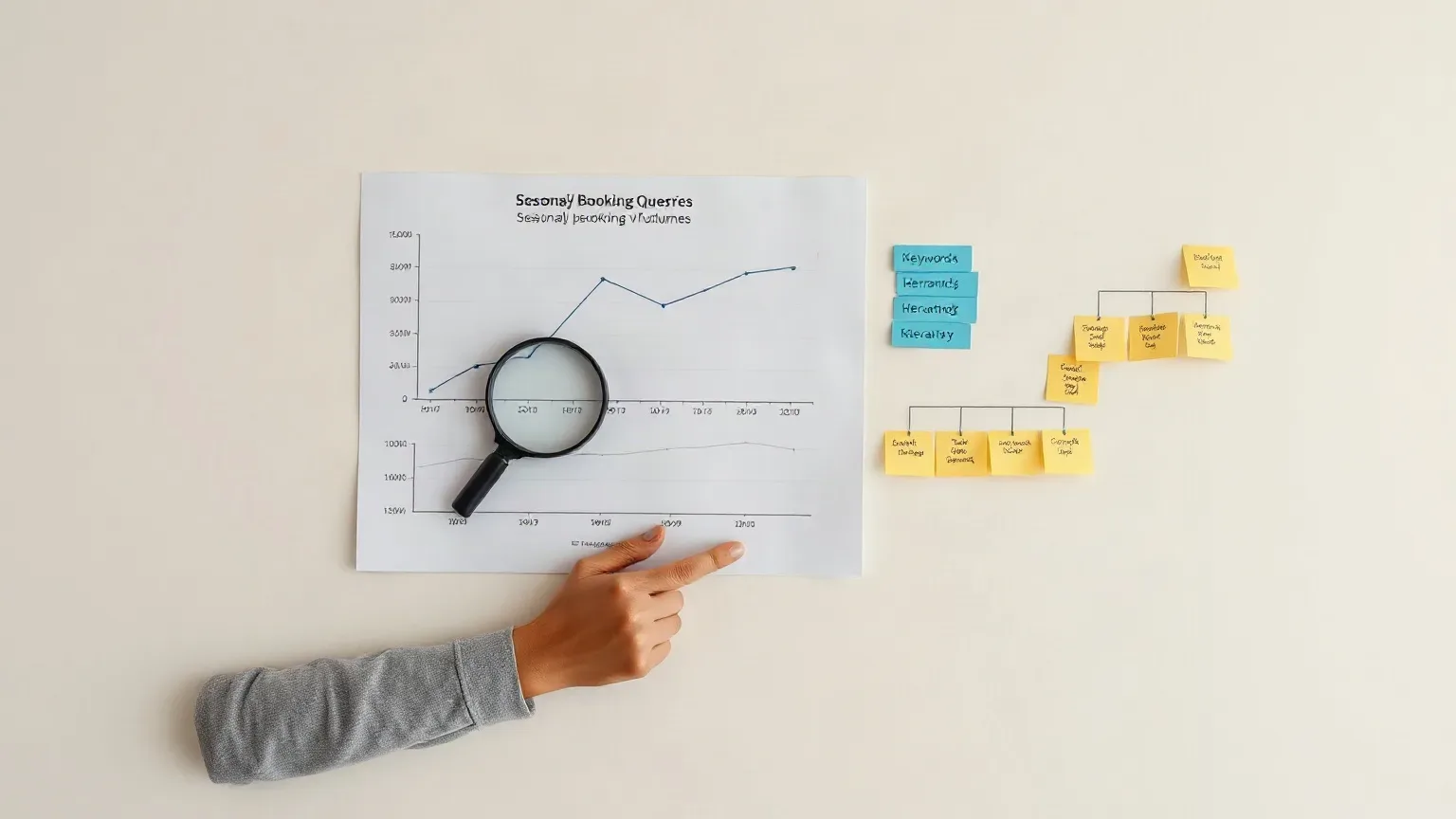
Why Search Visibility Matters More Than Social for Scottish Hospitality
Social media builds awareness, but most travellers still turn to Google the moment they have a specific destination and date in mind. A search like "pet-friendly B&B Cairngorms" or "whisky distillery tour Speyside" signals strong purchase intent. Appearing on the first page for those queries puts you directly in front of someone ready to book, not just browse.
Aggregators such as Booking.com and Tripadvisor already dominate many generic terms. The opportunity for independent Scottish businesses lies in specificity: longer, intent-rich phrases that aggregators rarely target at the property or experience level.

Keyword Research Specific to Scottish Tourism
Start with the geography. Scotland's named regions, glens, lochs, islands, and towns are natural keyword modifiers. Phrases like "boutique hotel Loch Lomond", "self-catering cottage Skye", and "guided wildlife tour Mull" attract visitors who already know where they want to go.
Layer intent on top of geography. Accommodation searches often include qualifiers: romantic, dog-friendly, accessible, family, budget, or luxury. Experience searches lean on activity words: kayaking, cycling, whisky, birdwatching, castle, hiking. Running your seed terms through Google Search Console and Google's autocomplete reveals the exact language your target audience uses.
Seasonal Keywords
Scottish tourism has distinct peaks. The Edinburgh Festival period, Highland Games season, and Hogmanay generate predictable spikes in search volume. Create dedicated landing pages or blog content several months ahead of each event. A page targeting "Hogmanay accommodation Edinburgh" published in September captures early planners well before competitors react.

On-Page SEO for Hotels and B&Bs
Every accommodation property needs a unique, optimised page for each room type or category. A room page titled "Superior Double Room with Loch View" will rank for specific queries that a generic "rooms" page never will. Include the room's dimensions, bedding, outlook, and amenities in natural prose rather than a bullet list alone.
Your homepage title tag should contain the property name, property type, and location. Something like "The Glen House - Luxury B&B in Pitlochry, Perthshire" gives search engines and users an immediate, accurate signal. Meta descriptions should mention availability, a key differentiator, and a clear call to action within 155 characters.
Structured Data for Accommodation and Events
Schema markup helps search engines understand your content and can generate rich results in the SERPs. Use `LodgingBusiness` schema on accommodation pages, including `checkinTime`, `checkoutTime`, `amenityFeature`, and `priceRange` properties. For tour operators, `TouristAttraction` and `Event` schemas are worth implementing, particularly if you run scheduled departures.
Google's Rich Results Test tool lets you verify the markup before publishing. A correctly marked-up accommodation page can show star ratings and price ranges directly in search results, improving click-through rates without any change in ranking position.
Local SEO Tactics for Scottish Tourism Operators
A verified and fully completed Google Business Profile is the single highest-impact local SEO action for most small hospitality businesses. Set the primary category accurately, whether that is "Bed and breakfast", "Hotel", or "Tour operator". Add photos monthly, respond to every review within a week, and keep your opening hours updated across seasonal changes.
Consistency in your business name, address, and phone number across directories matters. Scottish Tourism Alliance members, VisitScotland Quality Assured properties, and listings on visitscotland.com all carry authority. Ensure your NAP details are identical on each platform.
Building Local Citations
Beyond VisitScotland, pursue citations on regional directories: Regional Tourism Partnerships such as Highlands and Islands Enterprise, local council tourism pages, and industry bodies like the Scottish Bed and Breakfast Association. Each consistent mention reinforces your location signals and builds domain trust.
Local press coverage from outlets like The Scotsman, The Herald, or regional titles such as the Press and Journal carries strong link equity. Issuing a press release around a new offering, a refurbishment, or a milestone anniversary gives journalists a hook and earns natural backlinks.
Content Strategy for Scottish Tourism Websites
Guide content converts well in this sector because visitors research their trips extensively before booking. A guide titled "How to Spend Three Days on the Isle of Arran" targets someone actively planning travel and positions your accommodation or tour as the natural next step.
The best guide content answers specific questions. What to pack for a winter trip to Glencoe. Which distilleries are open for tours without pre-booking on Islay. Where to see red squirrels in the Borders.
These are real questions that potential visitors type into Google, and a genuinely useful answer earns both traffic and trust.
Using User-Generated Content and Reviews
Encourage guests to leave reviews on Google and Tripadvisor immediately after their stay, while the experience is fresh. A follow-up email sent within 24 hours of checkout, with a direct link to your review page, consistently outperforms any other review-generation method. Higher review volume and recency contribute to local pack rankings.
Embed a selection of guest testimonials on key landing pages using `Review` schema markup. This creates another structured data signal and gives undecided visitors social proof at the moment they are closest to booking.

Technical SEO Considerations for Hospitality Websites
Page speed is critical when a significant share of travel searches happens on mobile, often while visitors are already in Scotland checking options on the road. Compress images to WebP format, keep time to first byte under 600ms, and avoid booking widget scripts that block rendering. Google's PageSpeed Insights gives property-specific diagnostics.
If your site runs a third-party booking engine on a subdomain, set up cross-domain tracking in Google Analytics so you can attribute completed bookings to their original search query. Many Scottish hospitality businesses lose this visibility and cannot assess which keywords actually generate revenue. A clear attribution model makes your SEO investment measurable and justifiable.

Frequently Asked Questions
How Long Does SEO Take to Produce Results for a Scottish B&B?
Most Scottish B&Bs see measurable improvements in organic traffic within three to six months of consistent on-page and local SEO work. Competitive terms in high-demand areas like Edinburgh or Skye may take longer, while niche geographic phrases in quieter regions can rank within weeks.
Should a Scottish Tour Operator Focus on Local SEO or National SEO?
Both matter, but they serve different audiences. Local SEO captures visitors already in Scotland searching for same-day or next-day experiences. National and international SEO targets advance planners booking from elsewhere in the UK or abroad. A tour operator running scheduled departures benefits from optimising for both simultaneously.
Does Listing on VisitScotland Help with Google Rankings?
Yes. A listing on visitscotland.com provides a backlink from a high-authority, government-backed domain, which contributes positively to your site's domain trust. Beyond link equity, VisitScotland Quality Assurance accreditation also builds consumer confidence, which tends to improve click-through and conversion rates from organic traffic.
What Is the Most Common SEO Mistake Scottish Hotels Make?
The most common mistake is relying on a single generic homepage to rank for all target queries. Each location, room type, and experience needs its own dedicated, keyword-optimised page. Without that structure, Google has no clear signal about which page should rank for a specific search, so none of them rank well.
How Important Are Online Reviews for SEO in the Scottish Hospitality Sector?
Reviews directly influence local pack rankings on Google Maps, which is where most accommodation and tour searches resolve. Quantity, recency, and the presence of relevant keywords in review text all act as ranking signals. Responding to reviews also signals active management to Google's local algorithm.